
Workforce Housing 101
When people hear the phrase “affordable housing,” they often think of subsidized housing programs for very low-income families. But in America’s resort towns, there’s another group that’s increasingly left out of the housing market: the workforce.
Teachers. Nurses. Police officers. Firefighters. Cooks. Lift operators. These are the people who keep resort communities running — and yet they’re often the very ones priced out of living there. That’s where workforce housing comes in.
What Is Workforce Housing?
Workforce housing refers to homes — whether rentals or ownership — that are affordable to people earning local middle-income wages. Typically, this means households making between 80% and 140% of Area Median Income (AMI).
Unlike traditional affordable housing programs, which often target very low-income families, workforce housing is designed to serve the middle class: the essential workers that communities cannot function without.
In practice, workforce housing programs often include:
Income-based eligibility to ensure housing goes to local workers.
Rent or sale price caps tied to AMI, not speculative markets.
Deed restrictions that limit resale appreciation so homes remain affordable for future generations.
How It Started: A Mountain Town Experiment
The idea of workforce housing isn’t new. In fact, it began in the 1970s in ski towns like Aspen and Telluride, Colorado.
Local leaders realized that without intervention, housing costs would spiral out of reach for the very workers who staffed the resorts, restaurants, and schools. Their solution was to create deed-restricted housing — homes that could only be bought or rented by locals earning within specific income ranges, and whose resale value was capped to prevent runaway appreciation.
It worked. Decades later, Aspen still maintains one of the most robust workforce housing programs in the country, with thousands of units preserved for local residents.
Why Resort Towns Need It Now More Than Ever
Fast forward to today, and the need has never been greater.
Home prices are soaring. In places like Jackson Hole, median home prices are measured in millions, far beyond what local wages can support.
Short-term rentals are shrinking supply. More homes are converted into weekend stays, leaving fewer options for year-round residents.
Service work is growing. Every new hotel, ski lift, or restaurant means more demand for workers — but not more places for them to live.
Without workforce housing programs, towns risk losing their teachers, nurses, and first responders altogether.
How Workforce Housing Works
A strong workforce housing program usually includes:
Eligibility Guidelines
Applicants must be local workers, often verified through employment or income documentation.
Pricing Controls
Rents or sale prices are capped at levels affordable to target AMI ranges (e.g., 100–140% AMI).
Deed Restrictions
For ownership units, resale value is tied to wage growth, not speculative markets. That way, the home remains affordable for the next buyer.
Administration & Enforcement
Programs are usually overseen by municipalities, housing authorities, or nonprofit foundations to ensure compliance.
The Challenges
While effective, workforce housing programs face real hurdles:
Land costs: Resort towns often have limited buildable land, driving up acquisition costs.
Funding gaps: Without subsidies or donations, construction costs can make units unaffordable.
Community resistance: Some residents oppose deed restrictions or higher-density housing developments.
But these challenges can be overcome with collaboration among municipalities, nonprofits, corporations, and donors.
Why It Matters
Workforce housing isn’t just about shelter. It’s about keeping communities whole.
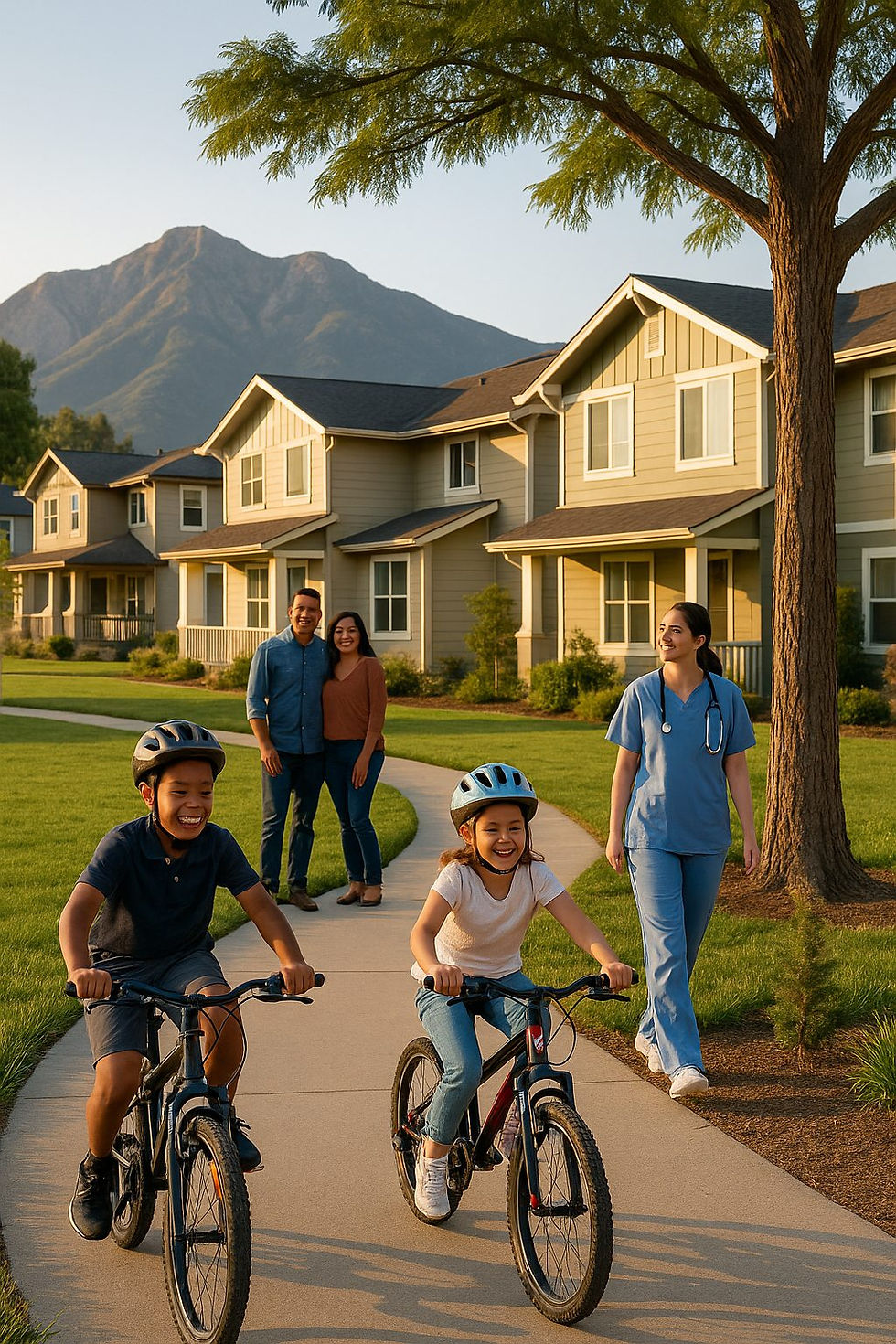
When nurses, firefighters, and teachers can’t afford to live where they work, towns lose not only services but also their identity. Workforce housing ensures that resort towns remain balanced, resilient, and livable — not hollow playgrounds for the wealthy.


Comments